IP-based content business, esports academy set as pillars of growth
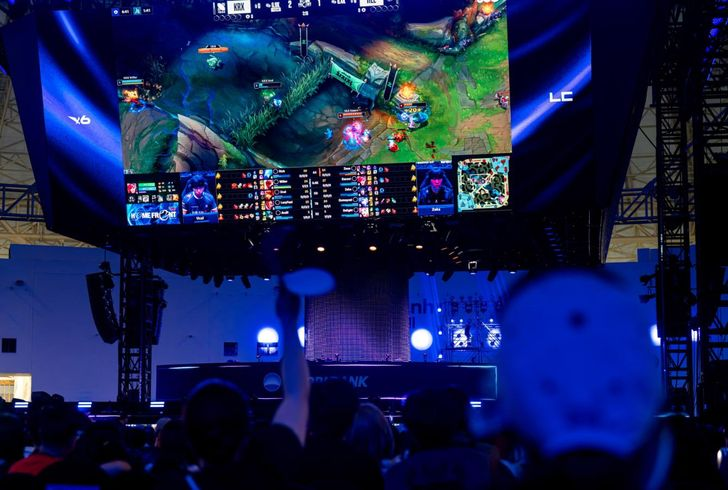
The esports industry continues to expand, drawing large audiences across game titles and appealing to an increasingly diverse range of people. The Business Research Company expects the global market to grow at an average annual rate of about 20 percent, from $3.02 billion in 2025 to $7.71 billion in 2030.
However, few esports team operators have managed to turn that popularity into profits, as player salaries continue to rise while revenues from competition, such as prize money and league revenue sharing, remain volatile.
DRX has remained profitable since 2024, helped by a diversified portfolio across multiple esports titles and a stable revenue base built through its advertising agency subsidiary.
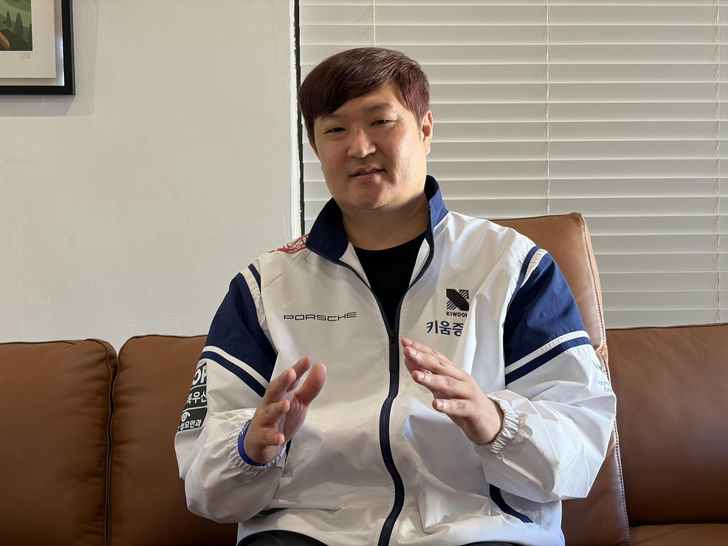
During an interview with The Korea Times, CEO Yang “Can” Sun-il said he is seeking to transform DRX into a broader digital entertainment company, expanding beyond esports through intellectual property (IP) and its esports academy, particularly in Southeast Asia.
“K-culture has certainly become much more sophisticated and valuable than it was 10 years ago,” Yang said. “If you go to countries such as Vietnam, Malaysia or Indonesia, you can see many Korean commercial products already deeply embedded in the market. The value of K-culture has grown to a point where we no longer need to approach esports and content separately.”
As part of those efforts, DRX’s wholly owned subsidiary Webs Creative has recently joined two Korean drama projects — “The First Seventeenth” and “White Scandal.”
Webs Creative will participate in “The First Seventeenth” as an outsourced production company. The drama’s script was selected through a tvN contest and is scheduled to air on the network next year. For “White Scandal,” starring Song Kang, the company has gone a step further by investing in the drama’s IP, with distribution secured through MBC and Disney+.
“We are still at an early stage, but our ultimate goal is to participate in coproductions or secure IPs, develop them further into various formats and sell the resulting content to broadcasters while retaining a stake in the IP’s future expansion,” Yang said. “Korean drama IPs has already performed very well in Southeast Asia, so we believe it can become a strong growth driver for us.”
DRX has already been testing its Southeast Asian strategy through esports. It held a League of Legends (LoL) tryout in Vietnam in 2023 and brought two players to Korea. One of them, Tran “LazyFeel” Bao Minh, became the first foreign player to debut in the League of Legends Champions Korea (LCK) last year and was invited to a state dinner for the leaders of Korea and Vietnam in August 2025.
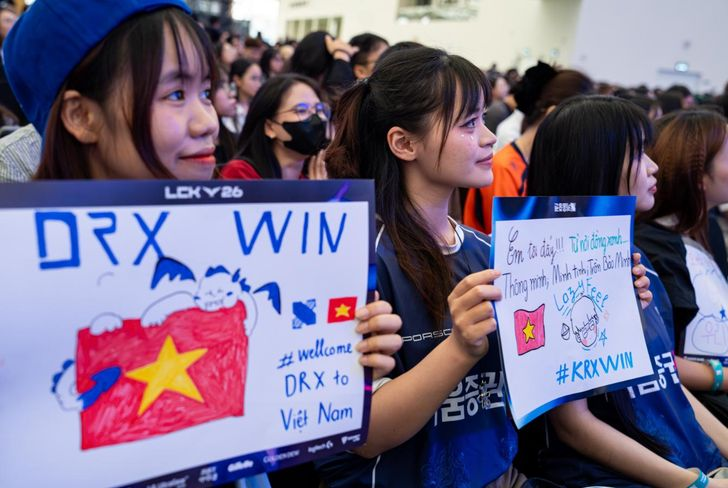
In May, DRX held two LCK regular-season matches in Vietnam with approval from Riot Games, selling out all 10,000 seats.
DRX has identified Indonesia as its next key market. On Aug. 26, it signed a strategic partnership with PT Nuon Digital Indonesia, a subsidiary of Indonesia’s largest telecommunications company Telkom Group, covering live entertainment, game publishing and talent development.
The partnership includes plans to combine DRX Academy’s training programs with training camps in Korea to create a pathway for promising Indonesian players to enter the region’s professional esports scene.
The academy is another business Yang hopes to develop into a stable source of revenue. DRX currently operates a licensed esports academy in Seoul with around 250 students each month, which Yang said ranks second in Korea’s esports academy market by enrollment.
“Just as taekwondo is taught around the world through a Korean training system, we can take our know-how directly to local markets or scale and standardize it through joint ventures with local partners,” Yang said. “If we establish teams in Southeast Asia and demonstrate that our system works better, the next step will be to bring our academy there as well.”
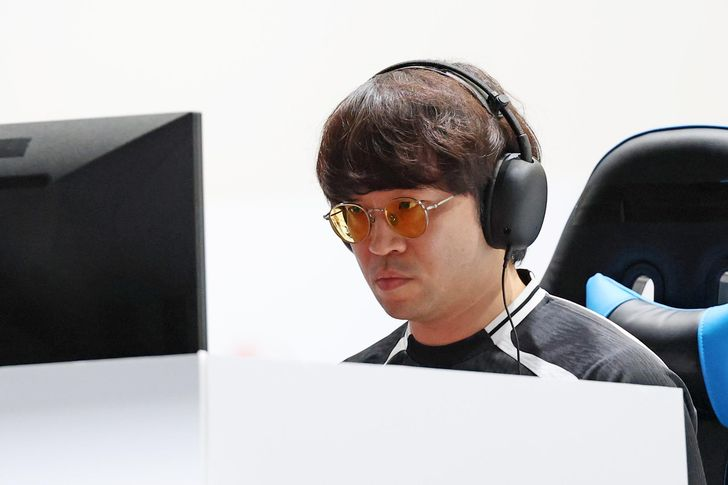
DRX plans to leverage its experience operating professional teams across 11 game titles, the largest portfolio among Korean esports team operators. Its roster spans League of Legends and Valorant as well as Tekken, Street Fighter and eFootball. Kiwoom DRX’s Tekken 8 player Bae “Knee” Jae-min won gold as part of Korea’s team in the esports fighting games event at the Asian Games last month.
DRX Chief Investment Officer Lee Jae-young said esports titles tend to have relatively short life cycles, requiring a strategic approach to investment. He said DRX’s ability to identify titles with growth potential and its experience across multiple games will be an asset as it expands.
Rumors allege that DRX is preparing for a listing in Singapore, and some market observers have raised concerns because esports companies that went public during the COVID-19 pandemic had poor track records.
Though Yang and Lee declined to comment on the IPO issue, the CEO said DRX is different from many other esports team operators because it has a good track record with stable sources of revenue.
DRX posted 34.23 billion won ($25.56 million) in revenue in 2025, down 2.67 percent from a year earlier. Operating profit grew 162 percent to 250. 35 million won.
via : The Korea Times


IP-based content business, esports academy set as pillars of growth
The esports industry continues to expand, drawing large audiences across game titles and appealing to an increasingly diverse range of people. The Business Research Company expects the global market to grow at an average annual rate of about 20 percent, from $3.02 billion in 2025 to $7.71 billion in 2030.
However, few esports team operators have managed to turn that popularity into profits, as player salaries continue to rise while revenues from competition, such as prize money and league revenue sharing, remain volatile.
DRX has remained profitable since 2024, helped by a diversified portfolio across multiple esports titles and a stable revenue base built through its advertising agency subsidiary.
During an interview with The Korea Times, CEO Yang “Can” Sun-il said he is seeking to transform DRX into a broader digital entertainment company, expanding beyond esports through intellectual property (IP) and its esports academy, particularly in Southeast Asia.
“K-culture has certainly become much more sophisticated and valuable than it was 10 years ago,” Yang said. “If you go to countries such as Vietnam, Malaysia or Indonesia, you can see many Korean commercial products already deeply embedded in the market. The value of K-culture has grown to a point where we no longer need to approach esports and content separately.”
As part of those efforts, DRX’s wholly owned subsidiary Webs Creative has recently joined two Korean drama projects — “The First Seventeenth” and “White Scandal.”
Webs Creative will participate in “The First Seventeenth” as an outsourced production company. The drama’s script was selected through a tvN contest and is scheduled to air on the network next year. For “White Scandal,” starring Song Kang, the company has gone a step further by investing in the drama’s IP, with distribution secured through MBC and Disney+.
“We are still at an early stage, but our ultimate goal is to participate in coproductions or secure IPs, develop them further into various formats and sell the resulting content to broadcasters while retaining a stake in the IP’s future expansion,” Yang said. “Korean drama IPs has already performed very well in Southeast Asia, so we believe it can become a strong growth driver for us.”
DRX has already been testing its Southeast Asian strategy through esports. It held a League of Legends (LoL) tryout in Vietnam in 2023 and brought two players to Korea. One of them, Tran “LazyFeel” Bao Minh, became the first foreign player to debut in the League of Legends Champions Korea (LCK) last year and was invited to a state dinner for the leaders of Korea and Vietnam in August 2025.
In May, DRX held two LCK regular-season matches in Vietnam with approval from Riot Games, selling out all 10,000 seats.
DRX has identified Indonesia as its next key market. On Aug. 26, it signed a strategic partnership with PT Nuon Digital Indonesia, a subsidiary of Indonesia’s largest telecommunications company Telkom Group, covering live entertainment, game publishing and talent development.
The partnership includes plans to combine DRX Academy’s training programs with training camps in Korea to create a pathway for promising Indonesian players to enter the region’s professional esports scene.
The academy is another business Yang hopes to develop into a stable source of revenue. DRX currently operates a licensed esports academy in Seoul with around 250 students each month, which Yang said ranks second in Korea’s esports academy market by enrollment.
“Just as taekwondo is taught around the world through a Korean training system, we can take our know-how directly to local markets or scale and standardize it through joint ventures with local partners,” Yang said. “If we establish teams in Southeast Asia and demonstrate that our system works better, the next step will be to bring our academy there as well.”
DRX plans to leverage its experience operating professional teams across 11 game titles, the largest portfolio among Korean esports team operators. Its roster spans League of Legends and Valorant as well as Tekken, Street Fighter and eFootball. Kiwoom DRX’s Tekken 8 player Bae “Knee” Jae-min won gold as part of Korea’s team in the esports fighting games event at the Asian Games last month.
DRX Chief Investment Officer Lee Jae-young said esports titles tend to have relatively short life cycles, requiring a strategic approach to investment. He said DRX’s ability to identify titles with growth potential and its experience across multiple games will be an asset as it expands.
Rumors allege that DRX is preparing for a listing in Singapore, and some market observers have raised concerns because esports companies that went public during the COVID-19 pandemic had poor track records.
Though Yang and Lee declined to comment on the IPO issue, the CEO said DRX is different from many other esports team operators because it has a good track record with stable sources of revenue.
DRX posted 34.23 billion won ($25.56 million) in revenue in 2025, down 2.67 percent from a year earlier. Operating profit grew 162 percent to 250. 35 million won.
via : The Korea Times